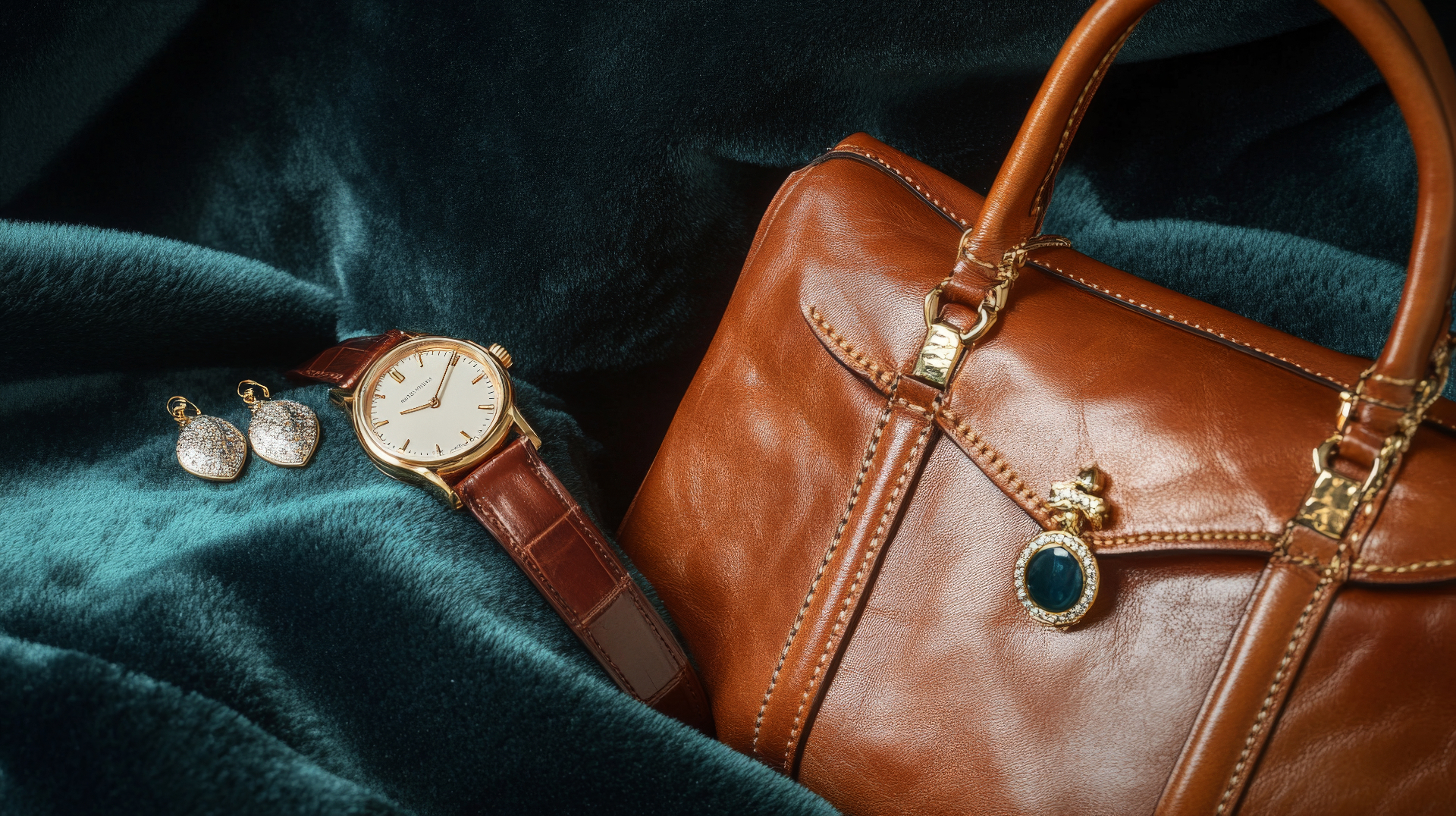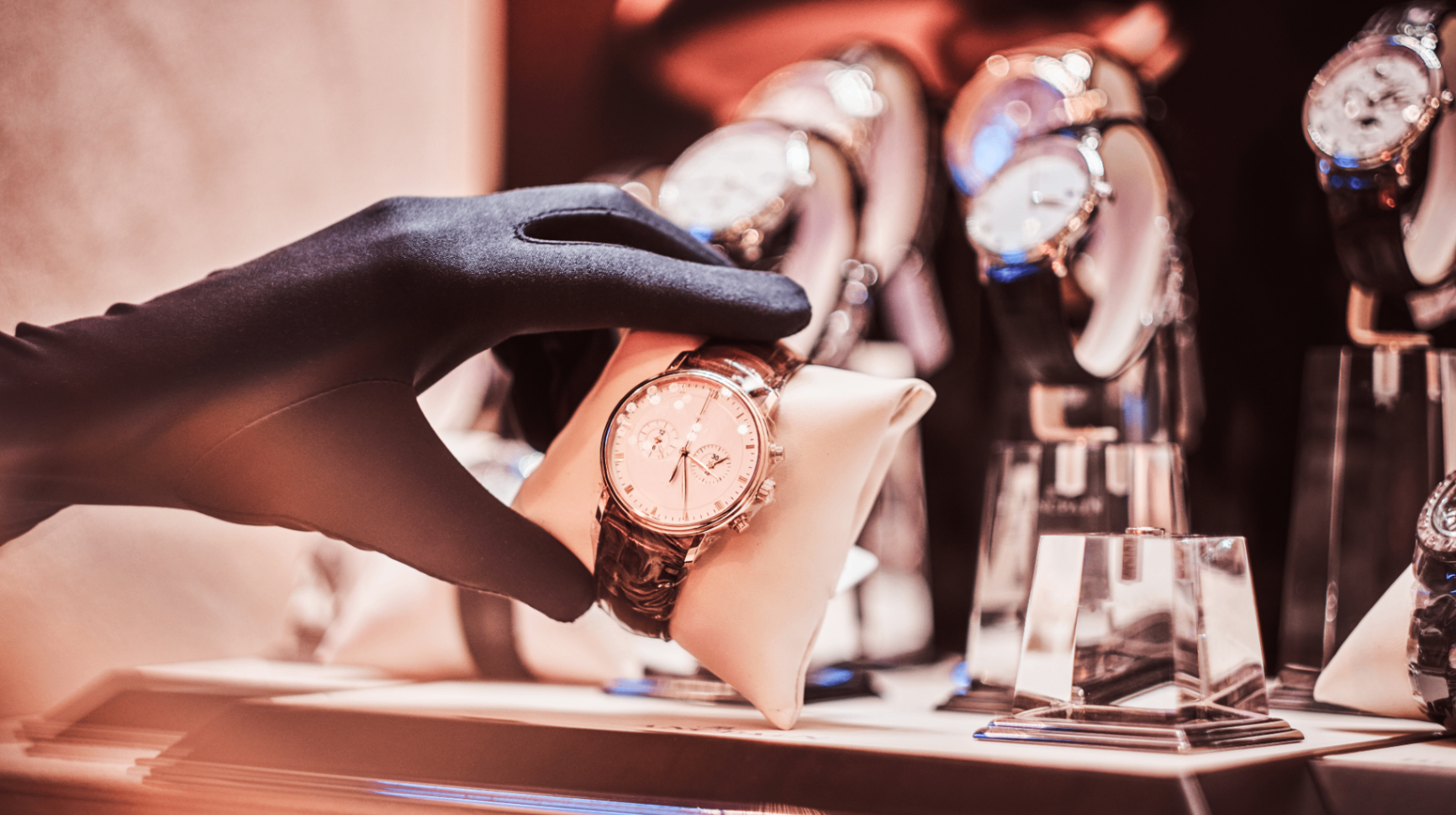
This watch buying guide for beginners is about one thing: buying your first serious watch without losing money on it. The fear of choosing wrong — and watching the value halve in a year — stops a lot of people from buying, or pushes them into panicky, hype-driven decisions. The reassuring truth is that buying a watch that holds its value doesn't require a big budget or insider knowledge. It requires a handful of principles, applied honestly. Here they are.
Start with budget, style, and how easy it is to resell
Before you look at a single model, get three things straight. Budget means your all-in comfortable number, not the figure you could stretch to — a watch bought under strain isn't a good buy even if it holds value perfectly. Style matters more than beginners expect: the best-value watch is one you'll actually wear, because a piece that holds value but sits in a drawer is a worse outcome than one you love and wear constantly. Liquidity is how easy it would be to sell later; recognizable, in-demand pieces move more easily than niche ones. Get these three right and you've avoided most beginner mistakes before choosing a model.
You don't need to spend a lot
There's a myth that only expensive watches hold value. It's false, and it leads beginners to overspend. Holding value isn't reserved for high-end pieces — there are well-made, in-demand watches at accessible and mid-range prices that hold up perfectly well, sometimes better than pricier pieces everyone can walk in and buy. The deciding factors are the same everywhere: demand and scarcity relative to supply, quality for the price, and lasting design. The goal isn't to spend as much as possible in the name of "investment" — it's to buy well at whatever level you're comfortable with.
New vs. pre-owned
Buying pre-owned often means someone else already absorbed the steepest drop in value — many watches take their biggest hit going from brand-new to "used," so a pre-owned piece has less far to fall. The trade-offs are that you need to be more careful about condition and authenticity, and may not get full original warranty. Buying new gives pristine condition, full warranty, and the complete package, but usually at the cost of that steeper initial dip. Neither is universally right; know which trade-off you're making. For a value-conscious beginner, pre-owned from a reputable source is often the smarter financial move — if you're comfortable doing the checks.
What to check before you buy
A short checklist protects you from the costly mistakes. Condition: look closely at wear and ask about servicing history, especially pre-owned. Completeness: the original box and papers help hold value and resale. Authenticity: buy from reputable sellers and verify where you can — this is the biggest risk in pre-owned buying, so be patient rather than rushing a deal that seems too good. Demand: ask whether this is a piece people consistently look for or a slow-mover, which sets your resale expectations.
How to protect (and track) the value after you buy
Buying well is half the job; keeping the value is the other half. Keep the watch serviced, hold on to the box and papers, and avoid unnecessary wear. Then do the part most beginners skip: keep an eye on what your watch is worth over time. Even if it's your only watch, add it with your own photo and what you paid, follow the brand so you catch price changes and market signals, and watch the value trend from day one. You take the photo yourself; nothing is pulled from other sites, and there's no need to upload documents. Starting on day one also lays a foundation if your single watch becomes a collection.
Key takeaways
-
Sort your budget, style, and how easily a watch resells before choosing a model.
-
Value-holding isn't about spending a lot — demand, quality for the price, and lasting design matter more.
-
Pre-owned often means someone else absorbed the steepest initial drop; new trades that for warranty and condition.
-
Before buying, check condition, completeness, authenticity, and demand.
-
Protect value with servicing and care, and track your watch's value from day one.
Frequently asked questions
Can an affordable watch actually hold its value?
Yes. Demand, quality for the price, and lasting design matter more than the original cost.
Is it better to buy new or pre-owned for value?
Pre-owned often avoids the steepest initial depreciation but requires more care around condition and authenticity. New gives warranty and pristine condition at the cost of that first dip.
What hurts a watch's resale value the most?
Poor condition and missing box and papers are two of the biggest, along with neglected servicing and weak demand.
Should I track my watch if I only own one?
Yes. It costs almost nothing, tells you which way its value is heading, and lays a foundation if your collection grows.
The values, estimates, and forecasts shown are for general information only and are not investment, financial, or appraisal advice. Actual prices may differ.