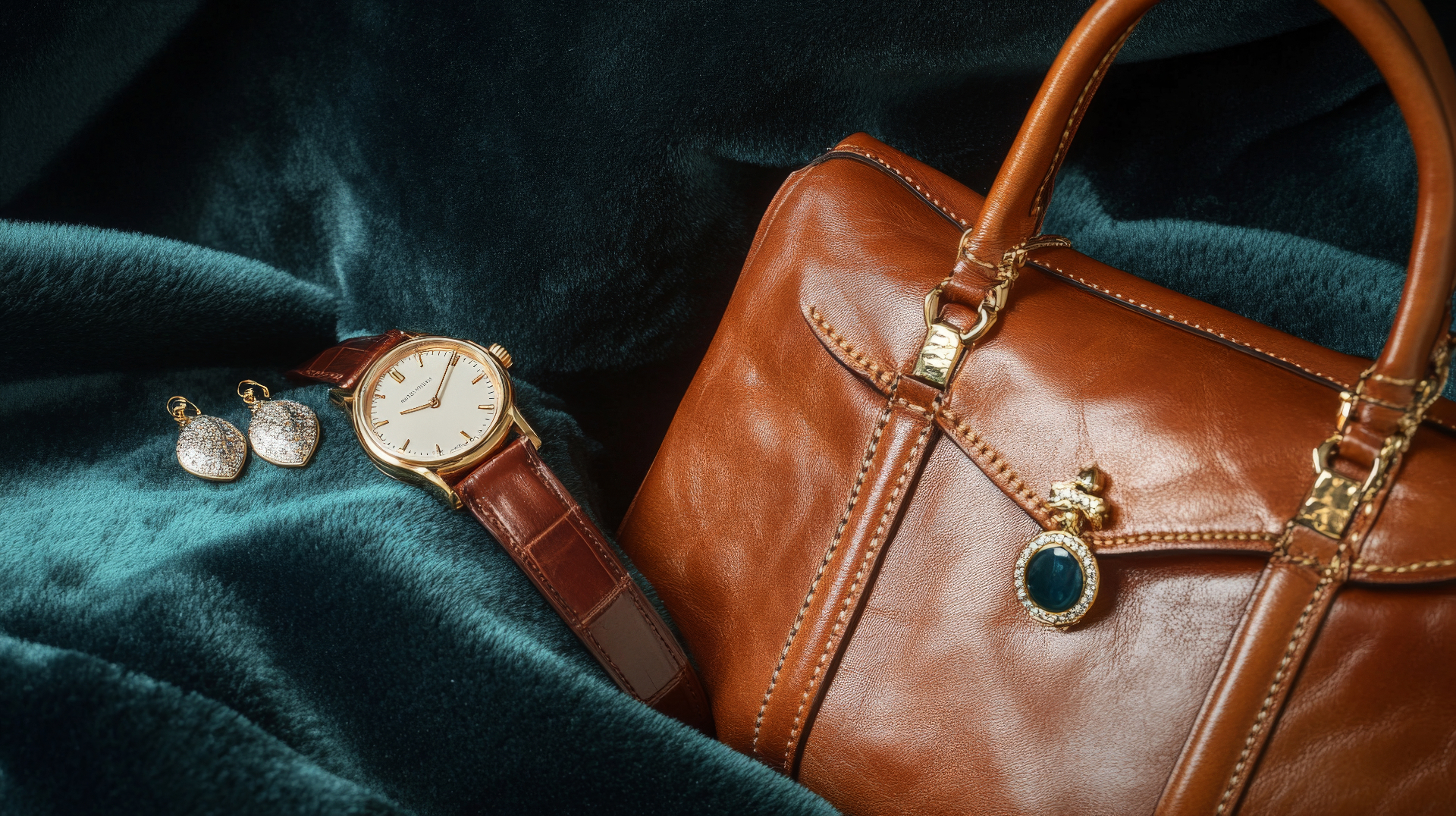
Learning how to catch sales and drops comes down to fixing one problem: the best deals and the most wanted new releases are easy to miss. A sale runs quietly and ends before you notice. A limited release lands, sells out, and by the time you hear about it the only way to get one is on the resale market at a premium. If you've ever thought "I would have bought that if I'd known," you've hit the core issue — not a lack of money, but a lack of timing. Here's how the timing works and how to stop finding out too late.
Why the best deals slip past you
Sales and new releases move fast and aren't always announced where you'll see them. A seasonal markdown appears and disappears; a surprise promo runs for a few days; a limited drop is teased in one place and gone in another — all while you're busy with everything else. The result is a familiar near-miss: you find out about the sale the week after it ended, or hear about the drop once it's already sold out. It's rarely a judgment failure. It's an awareness failure — the opportunity was real and gettable, you just weren't looking at the exact moment it was available.
When do sales happen? The timing tends to repeat
Sales feel random until you know what to watch for, then they cluster around predictable moments. End-of-season is a classic window, as outgoing stock makes way for the next season. Holiday periods bring their own promotional cycles. And a particularly useful pattern: when a brand is preparing to launch a new collection, the previous one frequently gets marked down to clear space — so an incoming new line is often a signal that current stock is about to get cheaper. Knowing these rhythms turns sales from lucky accidents into anticipatable events.
How drops work — and why speed matters
New releases and limited editions are the mirror image of sales: instead of a discount, the draw is scarcity, and scarcity flips the timing. With a sale, being late means you pay full price — annoying, but you can still get the item. With a drop, being late can mean you can't get it at all at the original price. The most wanted releases sell out quickly, and if they hold value they can command a premium on resale almost immediately. That's why, with drops, being early isn't a nice-to-have — it's the whole thing.
This works at every price level
It's easy to assume this is a luxury preoccupation, but the assumption costs people at accessible and mid price points real money. Mass-market and mid-market brands run sales and release drops too — the end-of-season markdowns, holiday promotions, clear-outs before a new collection, and limited releases that sell out fast happen across the whole spectrum. In relative terms, catching a sale or getting a wanted piece at retail matters just as much, if not more, at accessible prices.
How to catch sales and drops: get the heads-up
The fix for an awareness problem is better awareness, delivered to you. Instead of manually checking a dozen brands on the off chance something's happening, follow the brands you care about and get alerts on the things that matter: price drops, sales, and new releases. When one of your brands starts a sale or teases a drop, you hear about it in time to act, rather than after the window closes. What you do with the signal is up to you — buy, or pass. The point is never again saying "I would have, if I'd known." The same habit also keeps you aware of price increases and shifts that move the value of pieces you already own.
Key takeaways
-
Sales and drops are easy to miss because they move fast and aren't always announced where you'll see them.
-
Sales cluster around end-of-season, holidays, and clear-outs before a new collection launches.
-
Drops are about scarcity — being early is everything, since wanted pieces sell out and can jump in resale value immediately.
-
It applies at every price level, not just luxury.
-
Following the brands you care about and getting alerts puts the heads-up in your hands while the window is open.
Frequently asked questions
When do sales usually happen?
They tend to cluster around end-of-season, holiday periods, and the run-up to a new collection launch, when older stock gets cleared.
Why do new drops sell out so fast?
Limited supply meets high demand. Wanted pieces go quickly, and if they hold value they can command a premium on resale almost immediately.
Does this only apply to luxury brands?
No. Mass-market and mid-market brands run sales and drops too, and catching them can matter even more, in relative terms, at accessible prices.
How do I stop missing them?
Follow the brands you care about and get alerts on sales, price drops, and new releases, so the news reaches you in time to act.
The values, estimates, and forecasts shown are for general information only and are not investment, financial, or appraisal advice. Alerts and market signals are informational and are not advice to buy. Actual prices may differ.