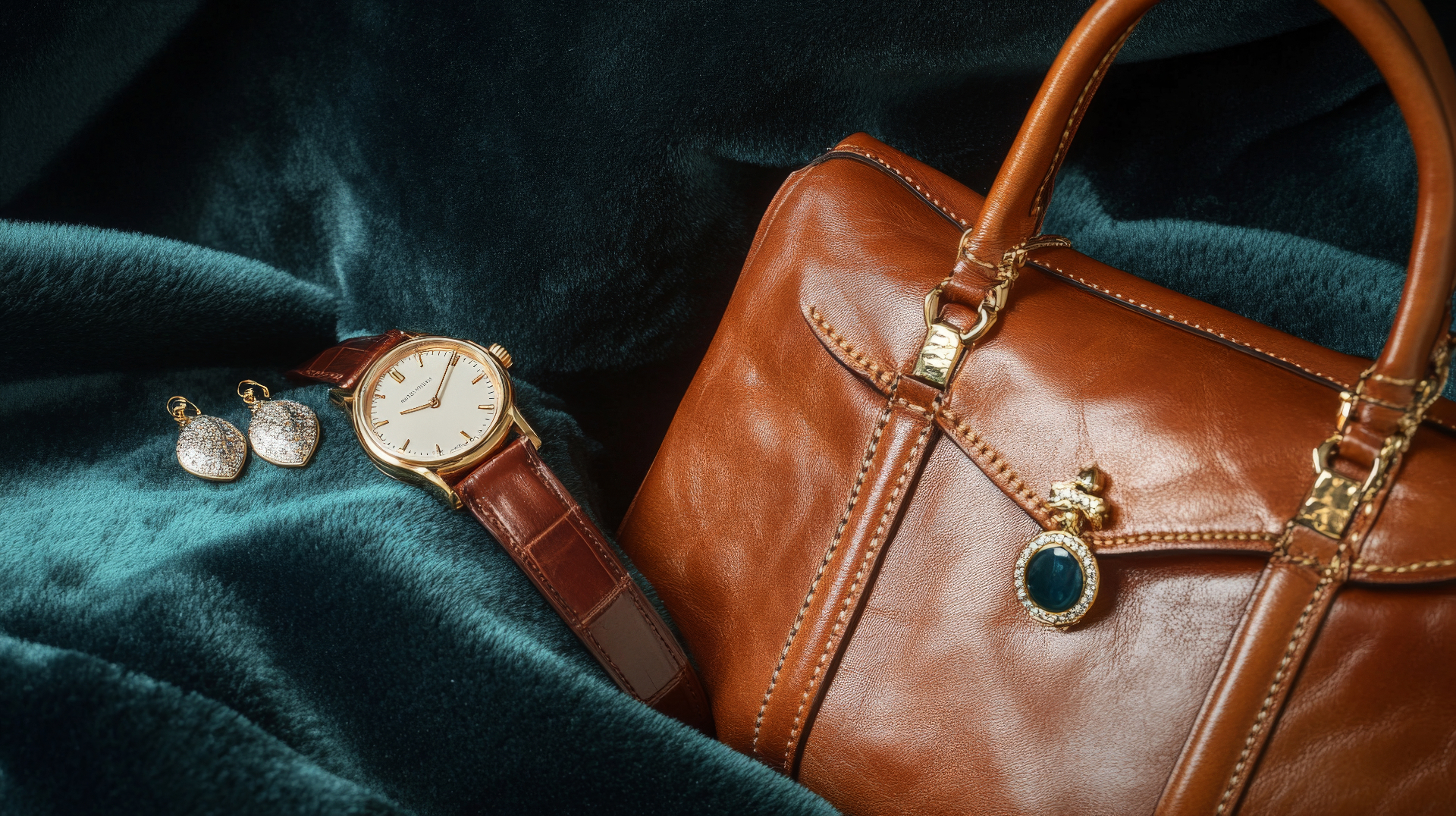
When people talk about "assets," they mean stocks, property, or crypto — things with tickers and charts. What almost never makes the list is the stuff in your own home. But are watches and bags an asset? In the plainest sense, yes: they have value, that value moves up and down, and — unlike most of what's in a brokerage account — you get to use and enjoy them. This isn't an argument to treat your belongings like a trading portfolio; it's the simpler, more useful idea that the things you already own have real, changing value, and being aware of it makes you better off.
What "an asset" really means (no finance degree needed)
Strip away the jargon and an asset is just something you own that has value you could realize later. By that definition your watches, bags, and jewelry plainly qualify — they're worth something today, they'd fetch some amount if you sold them, and that amount changes over time. You don't need to be an investor, and you don't need to have bought anything with resale in mind, for this to be true. The only real shift is one of perspective: stop treating these purchases as purely "money spent and gone," and recognize that a chunk of that money is still there, stored in the object, in a form that can rise or fall.
Where watches and bags fit as an asset
If watches and bags are an asset, what kind? They belong to the broad family often called "alternative assets" — value held in physical or non-traditional forms rather than stocks, bonds, or cash. Compared with financial assets they behave differently: they're less liquid (you can't sell a watch with a tap), and their value swings on demand, trends, and condition rather than earnings or interest rates. But they share the defining trait — worth that moves with demand and time — and they offer something no financial asset does: you get to use and enjoy them while you own them. That combination of utility and stored value applies at every price level, not just to rare or expensive pieces.
The upside and the risks (be honest)
This only helps if you're clear-eyed about both sides. On the upside: some pieces hold value well and a few genuinely appreciate; you get full use and enjoyment the whole time you own them; and they diversify where your value sits. On the risk side: physical goods are less liquid, so turning them back into cash quickly is hard and rushing a sale means accepting less; values can fall, not just rise; condition matters and degrades; authenticity is a real concern in resale markets; and storage and care take effort. Treating your things as assets doesn't mean expecting them to make you rich — it means being realistic about what they're worth.
Why tracking matters even for a few pieces
You might think this only pays off for large collections. In fact the awareness matters just as much when you own a handful of things — and those owners are often the most likely to be surprised by the real numbers. Even a couple of pieces represent real money, and knowing the current total, and whether it's trending up or down, feeds directly into everyday decisions: whether to insure and for how much, whether now is a sensible time to sell, whether that next purchase makes sense. Guessing leaves both money and clarity on the table — people under-insure from outdated figures, hold past the peak because they never noticed the trend, or buy redundantly because they lost track of what they own.
How to start — simply
The barrier has always been that this sounds like work: cataloging, appraising, spreadsheets, paperwork. It doesn't have to be any of that. The simplest way in is to follow the brands you care about, add the pieces you own with your own photo and what you paid, and let a dashboard show you the total and its trend. You take the photos yourself — nothing is pulled from other sites — and there's no uploading of receipts, certificates, or documents. That's all it takes to go from "I've got some nice things, I guess" to "here's what my things are worth, and which way it's heading."
Key takeaways
-
An asset is just something you own with value you could realize later — your watches, bags, and jewelry qualify.
-
They're "alternative assets": less liquid and more variable than stocks, but usable and enjoyable while you own them.
-
There's genuine upside and genuine risk; the goal is clarity about what you own, not getting rich.
-
Even a few pieces are worth tracking, because it informs real decisions about insurance, selling, and buying.
-
Starting is simple: follow the brands you care about, add your things with your own photo and price, and watch the total and trend.
Frequently asked questions
Do I need a big collection for this to matter?
No. Even a couple of pieces represent real, trackable value, and knowing your numbers helps with everyday decisions regardless of how much you own.
Are my things really "assets"?
In the everyday sense, yes — if they hold value you could realize later by selling, they function as assets, even if you never bought them with that in mind.
Isn't treating my things as assets a bit much?
It's not about obsessing or flipping. It's simply being aware of what you own is worth and which way it's trending, so decisions are informed rather than guesses.
Is it complicated to start?
No. Follow the brands you care about, add your pieces with a photo and the price you paid, and see the total and trend — no documents, no spreadsheets.
The values, estimates, and forecasts shown are for general information only and are not investment, financial, or appraisal advice. Actual prices may differ.